About thinking with hands
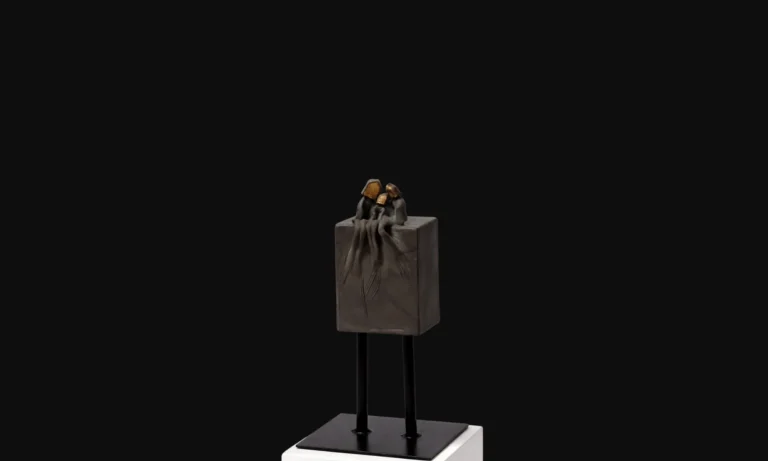
A gift for godparents: a ritual, social or symbolic gesture?
Read moreA christening is one of the most important rituals of the human life cycle, marking a new person's entry into a religious and social community. Although in contemporary society the christening is often seen as a family celebration, the creation of a relationship remains an essential part of its structure. Godparents hold a special place here – people who are given a specific role in the child's life. A gift for godparents can therefore be…
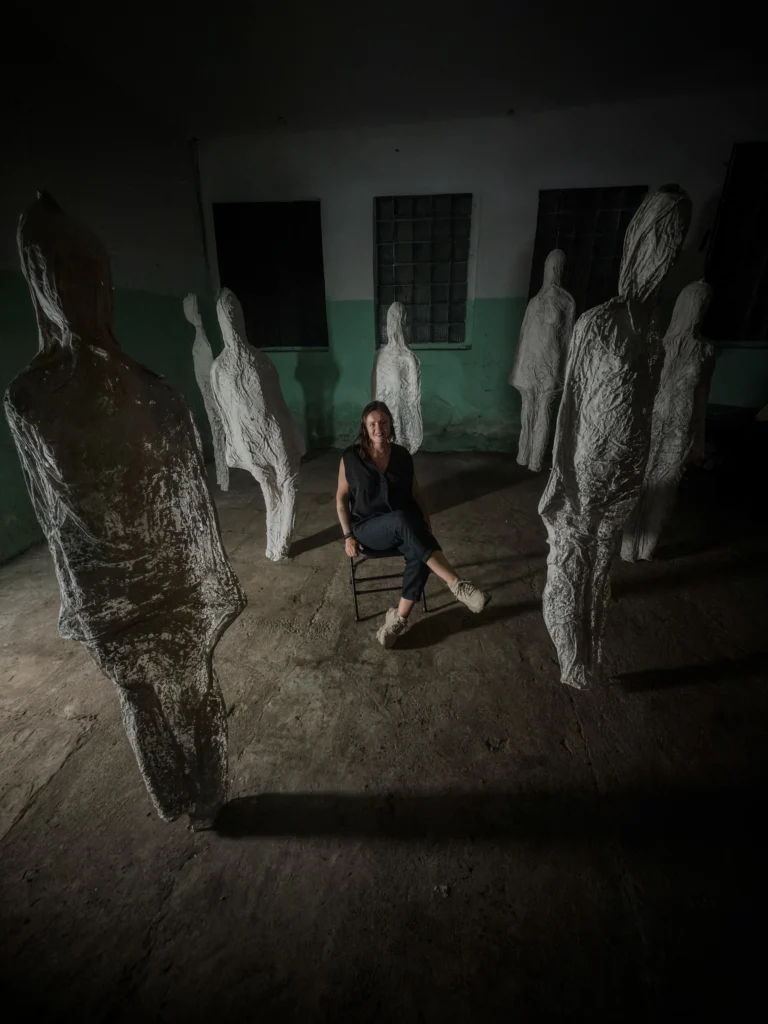
A phenomenon that will not fit in a room: the “Aritmija” arts festival in Merkinė
Read moreThere are festivals we travel to in order to see something. And there are festivals where you first have to change the amplitude of your gaze before you can make anything out. The "Aritmija" festival is exactly that kind.
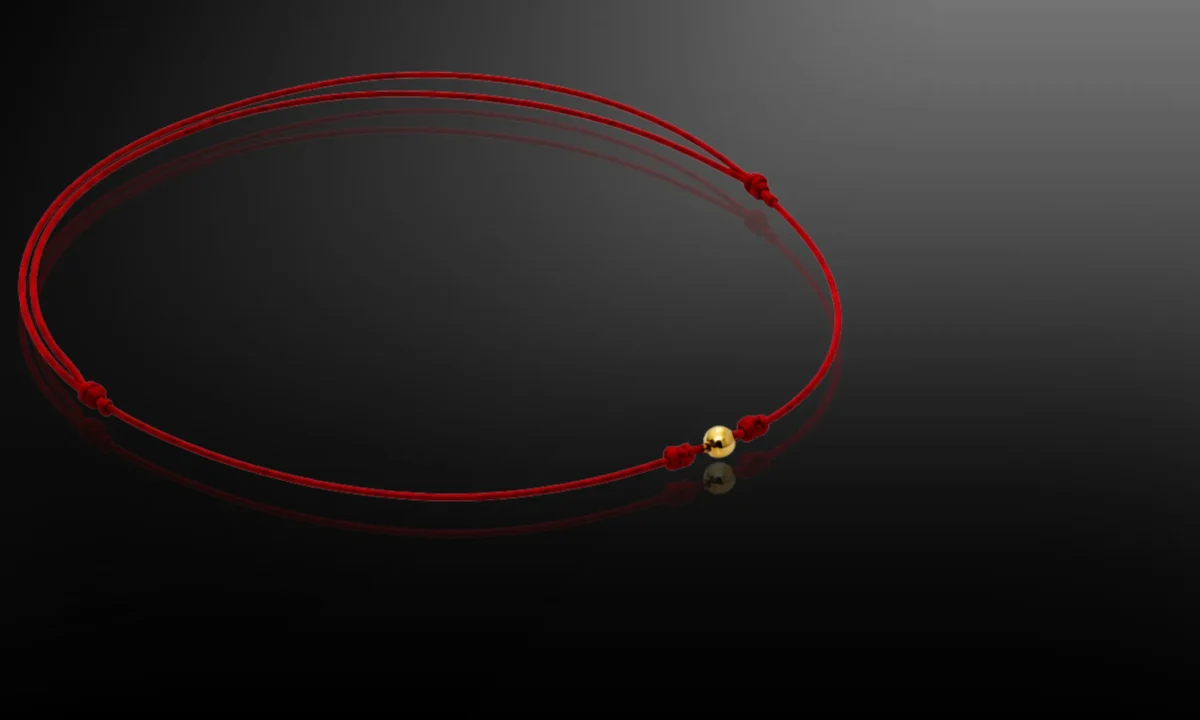
Red thread on the wrist: history and meaning
Read moreA red thread on the wrist turns up in almost every jewelry shop. Yet its history holds a great many curious details that we rarely stop to think about.
Most read
More posts

Gifts for remembrance that leave something lasting
Read moreA gift for remembrance begins where an object becomes a sign of connection – preserving a touch, a date, and a feeling that never ends.

Creative workshop: ceramics as a self-help art
Read moreA creative workshop is a place where clay becomes a bridge between inner experiences and peace, allowing you to let go of control and return to yourself, at least for a while.
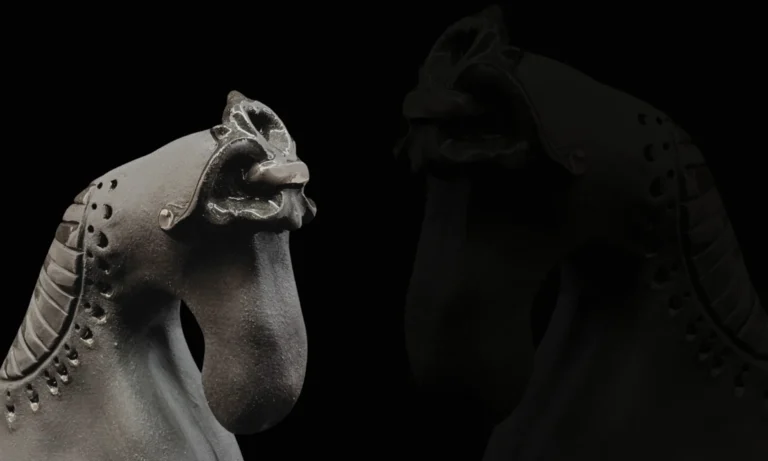
Sculpture: an idea made object in the interior, or a living dialogue?
Read moreSculpture is an interaction between form and idea that creates a dialogue with the viewer through symbols and eras: from the classical proportions of Michelangelo's "David" to the contemporary "Fearless Girl" in New York.
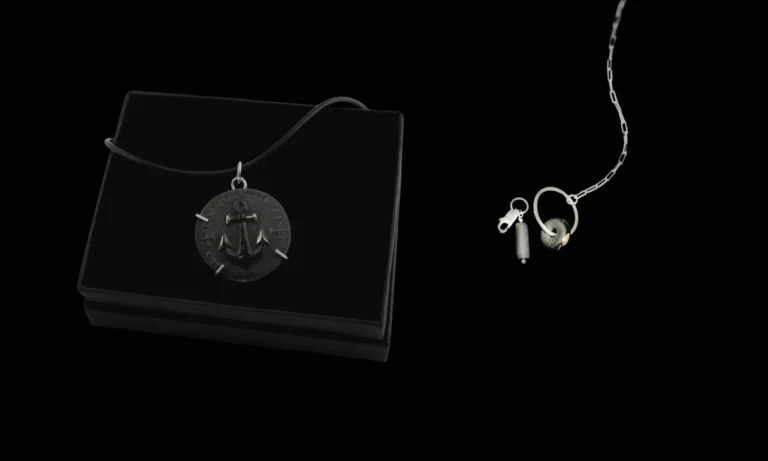
The Language of Art Jewelry: Symbols, Memory, and Meanings
Read moreArt jewelry is not limited to beauty - it is a language of meaning. Jewelry becomes a sign of identity, a carrier of emotions and a keeper of cultural memory, where every form, material or symbol tells a story, connects the past with the present and invites us to delve deeper into what it means to wear memories on the body.
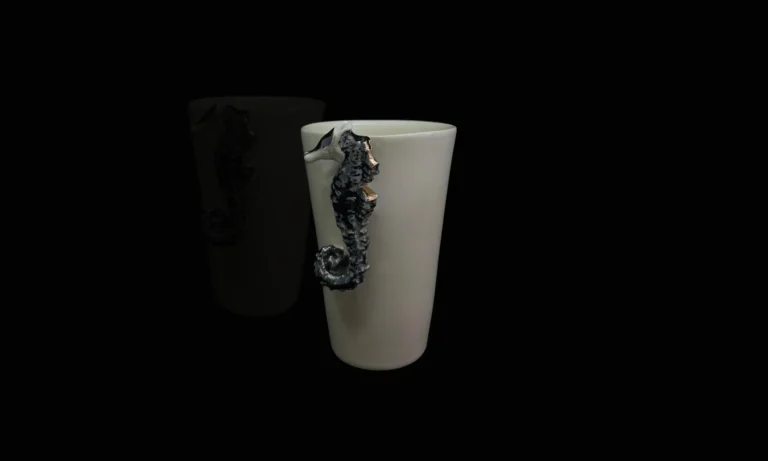
Handmade mug: how to choose a long-lasting companion
Read moreA practical guide on how to choose a quality handmade ceramic mug: clay, stoneware or porcelain? Tips and buyer's guide.
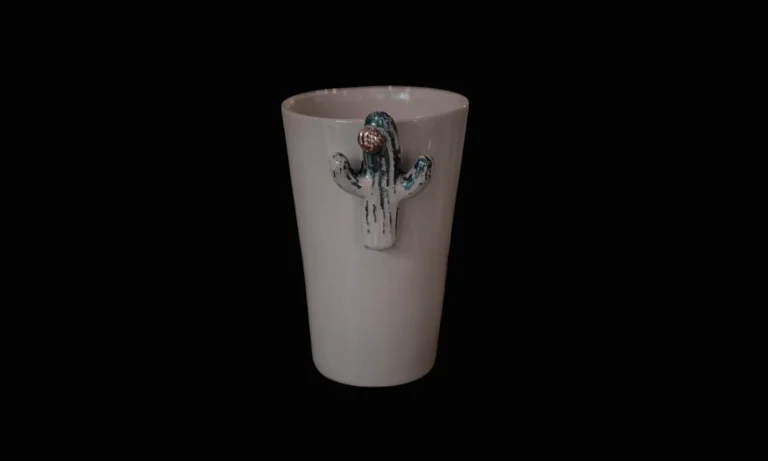
Handmade porcelain cups: from chawan to Meissen
Read moreFrom Eastern tea ceremonies to European everyday life, unique handmade ceramic cups are more than tableware: they preserve traditions, create rituals, and invite you to consciously experience every sip. In this article, we explore their history, symbolism, and practical principles for choosing today.
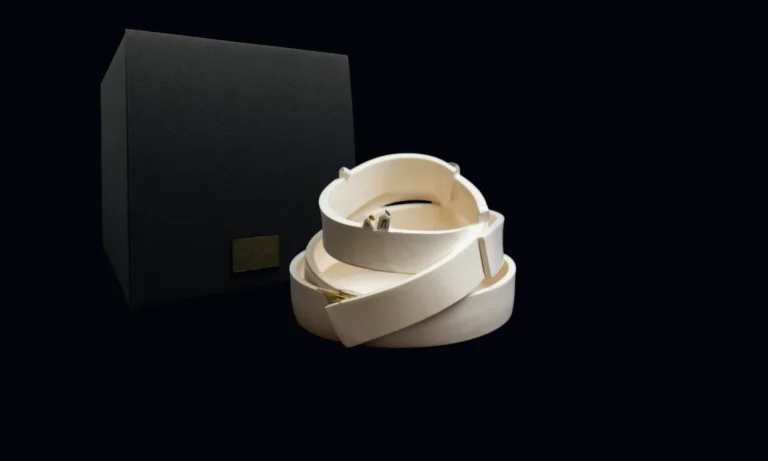
Family hearths – the most valuable wedding gift for the newlyweds
Read moreThe family hearth is not just a physical space, but a vibrant symbol of everyday life: it combines history, tradition, and togetherness, making it the most meaningful gift for newlyweds, creating family rituals and lasting memories. In this article, we explore the meaning of the hearth through culture, symbols, and everyday experiences.
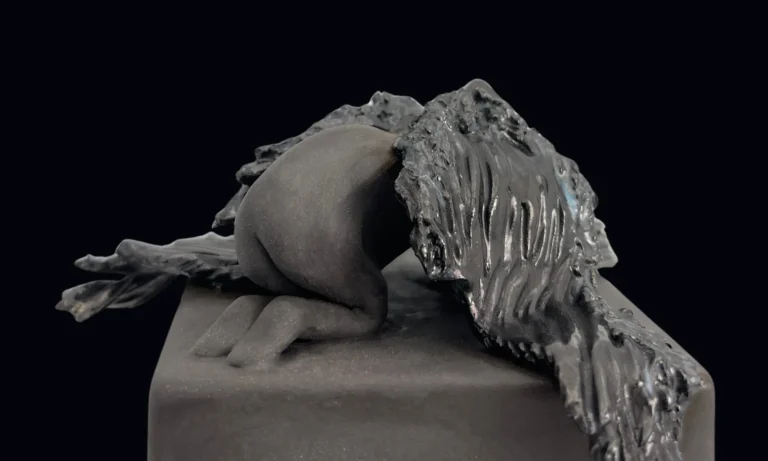
The search for sustainability in ceramics
Read moreSustainability is much talked about, but in ceramics it begins with everyday decisions no one sees: what to do with leftover clay, at what temperature to fire, and what gives a work its longevity.
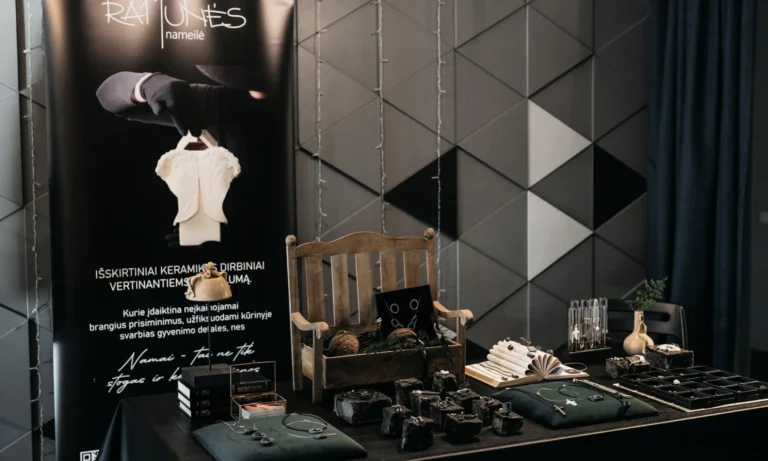
Art jewelry: a wearable miniature sculpture in porcelain
Read moreArt jewelry is a subtle dialogue between material and meaning, in which porcelain becomes not only a form, but a symbol that conveys aesthetics, memory, and a personal relationship with the body and everyday life. In this article, we examine porcelain jewelry through technology, aesthetics, and the intention of the creator.
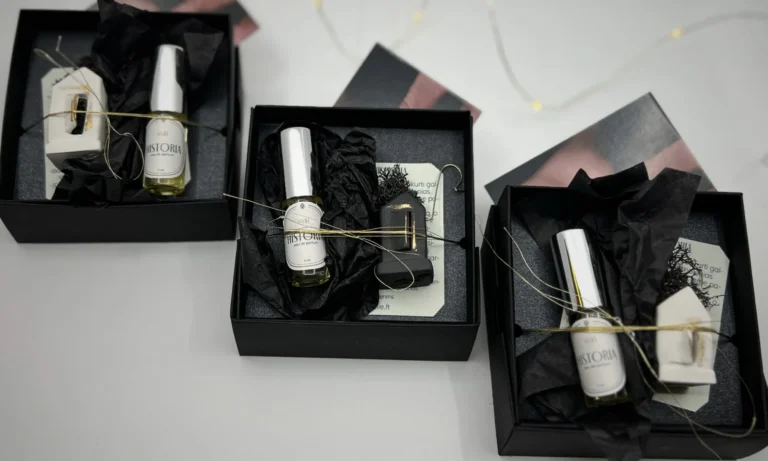
A duet of communion: a porcelain little home and a signature fragrance
Read moreA porcelain little home and a signature fragrance are two everyday objects that combine form, sensation, and meaning: they become not only an aesthetic combination, but also invite rituals, reflect memories, and create new connections with space and oneself. The article examines the aesthetics, symbolism, and experience of the harmony of these objects.
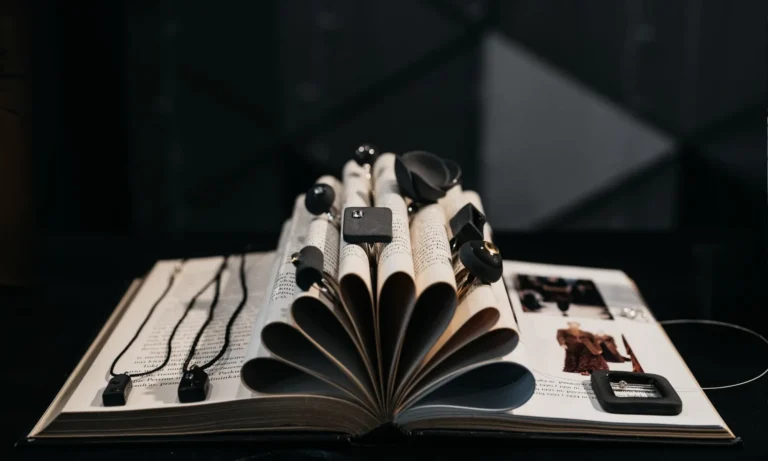
Handmade jewelry: from accessory to amulet
Read moreHandmade jewelry is more than just accessories. They are born as small art objects, where material, form and symbol come together to create a personal narrative. Such jewelry gradually transcends the aesthetic and becomes a tangible entity – a silent but significant witness to inner states, values and experiences.
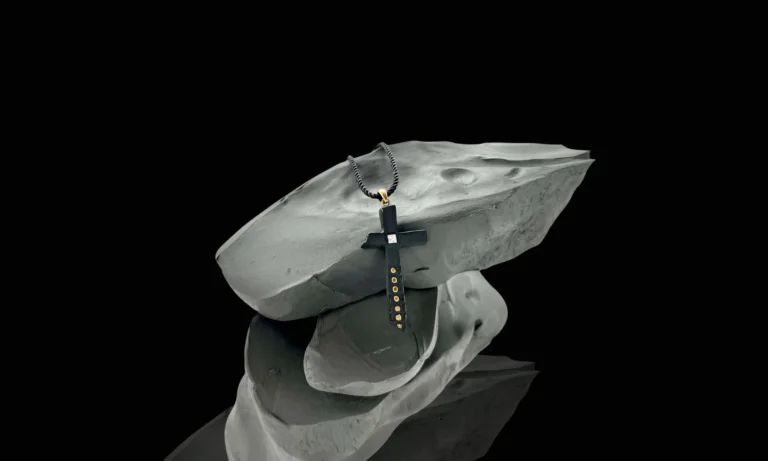
Signature jewelry grown in the Land of Crosses
Read moreThese designer pieces of jewelry were not created—they were grown. The symbol of the cross here is revealed not as a sign, but as an experience—maturing in time, permeated with memory and inner relationship. These are wearable art objects that accompany a person not outwardly, but in meaning.
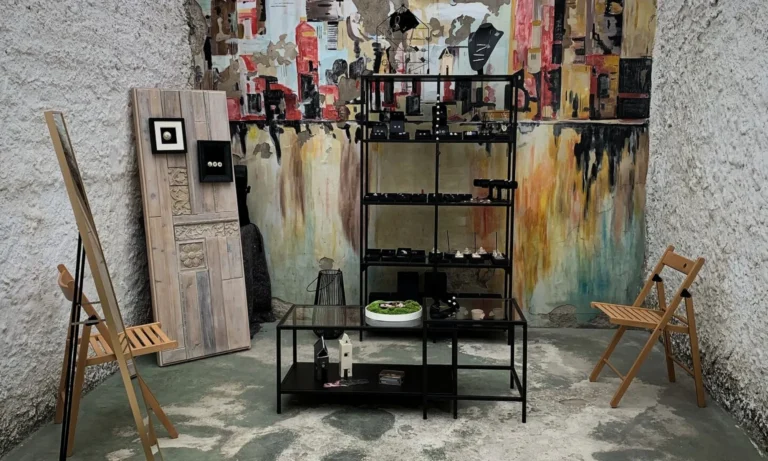
Ceramic art: works that hold memories
Read moreCeramics to preserve precious memories. Made in Lithuania, in RAMUNĖS nameilė studio.
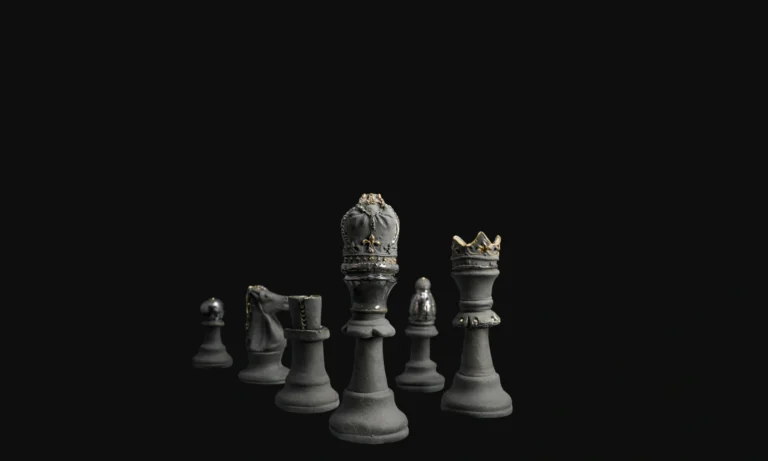
Handmade ceramics: when it becomes an artist's work
Read moreHandmade ceramics becomes a genuine artist's work when it begins to balance between function and conceptual thought. Not mass production, but independent works that are never reproduced, born slowly, in a process that demands close attention.
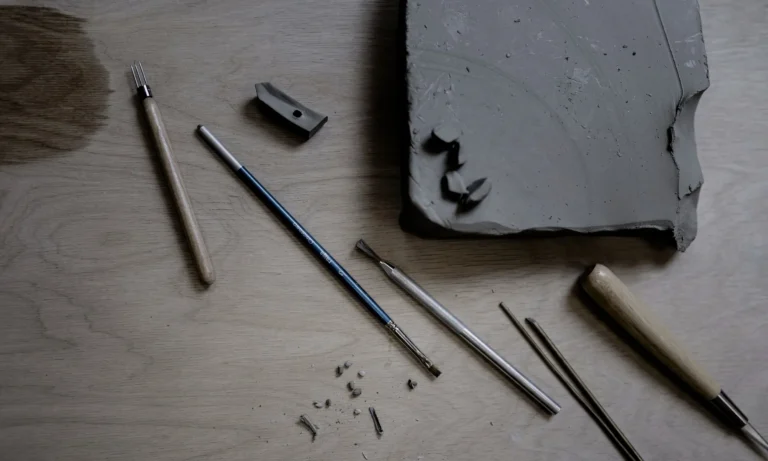
Clay for ceramics: the best material for improvisation
Read moreClay is not just a material, but a creative partner. Plastic, tactile and sensitive to touch, clay responds to hand movements, retains fingerprints and stores thoughts, allowing the creator to improvise and discover a unique language of form.

How RAMUNĖS nameilė came to be: the road travelled, home and love
Read moreRAMUNĖS nameilė was born from a long path, of search, study, and a creative impulse that matured quietly over time. My relationship with art took shape where philosophy, anthropology, and human experience meet. It was there I understood: art is not an object, it is a way of being in the world…
What happens behind the work.
Thoughts, processes and what the photograph of a finished work does not show.