The search for sustainability in ceramics
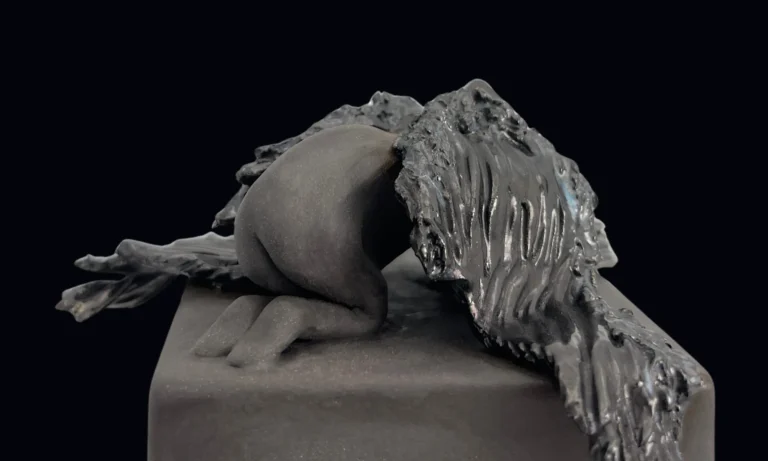
Sustainability is much talked about, but in ceramics it begins with everyday decisions no one sees: what to do with leftover clay, at what temperature to fire, and what gives a work its longevity.

Sustainability is much talked about, but in ceramics it begins with everyday decisions no one sees: what to do with leftover clay, at what temperature to fire, and what gives a work its longevity.
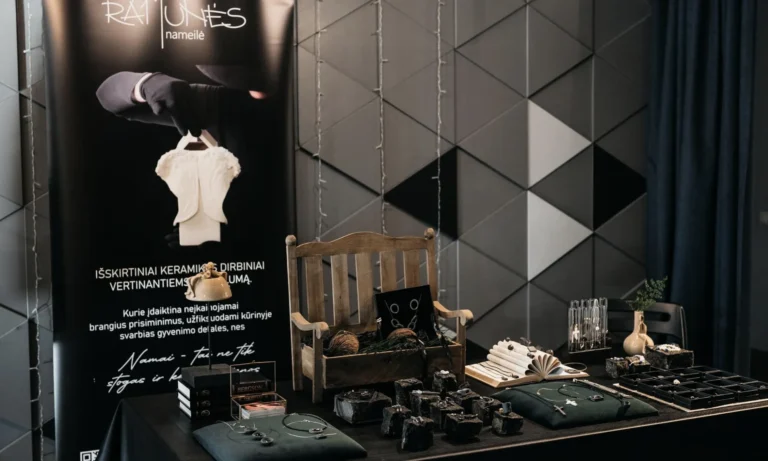
Art jewelry is a subtle dialogue between material and meaning, in which porcelain becomes not only a form, but a symbol that conveys aesthetics, memory, and a personal relationship with the body and everyday life. In this article, we examine porcelain jewelry through technology, aesthetics, and the intention of the creator.
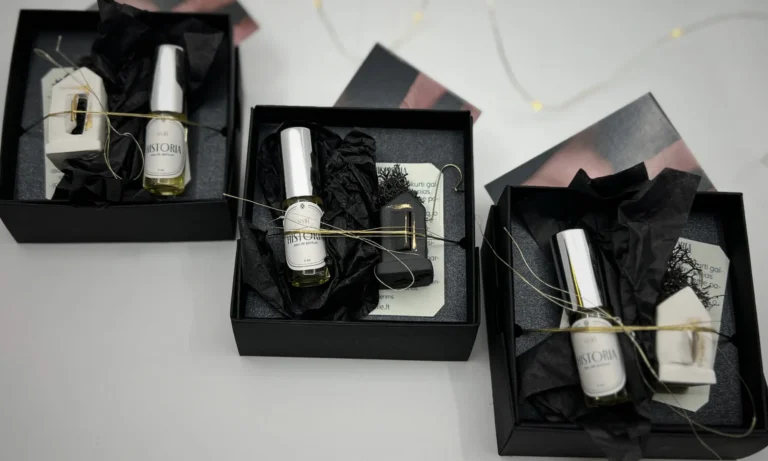
A porcelain little home and a signature fragrance are two everyday objects that combine form, sensation, and meaning: they become not only an aesthetic combination, but also invite rituals, reflect memories, and create new connections with space and oneself. The article examines the aesthetics, symbolism, and experience of the harmony of these objects.
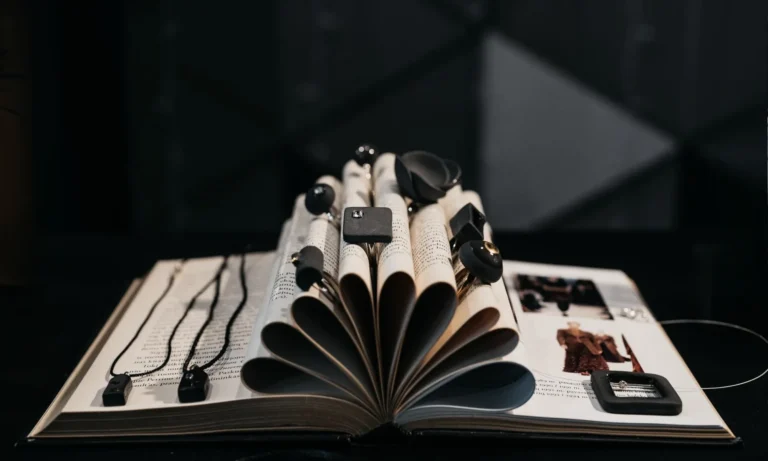
Handmade jewelry is more than just accessories.
They are born as small art objects, where material, form and symbol combine to create a personal narrative. Such jewelry gradually transcends the boundaries of aesthetics and becomes embodied – silent but significant witnesses of inner states, values and experiences.
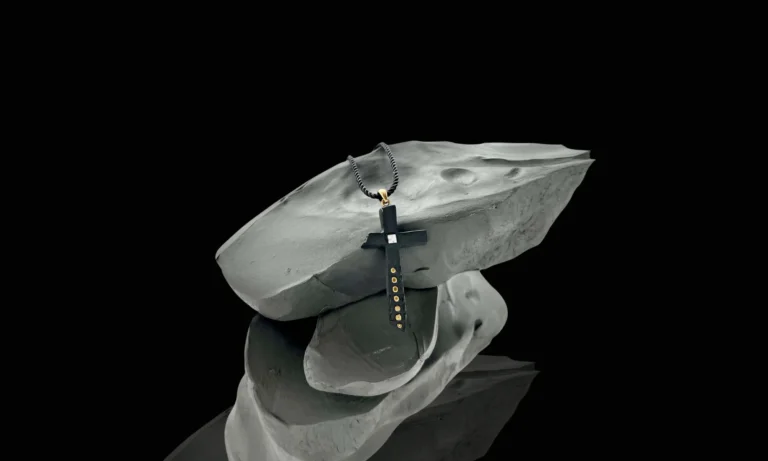
These signature pieces of jewelry were not created - they were grown.
The symbol of the cross here is revealed not as a sign, but as an experience – maturing in time, permeated with memory and inner relationship. These are wearable art objects that accompany a person not externally, but in meaning.
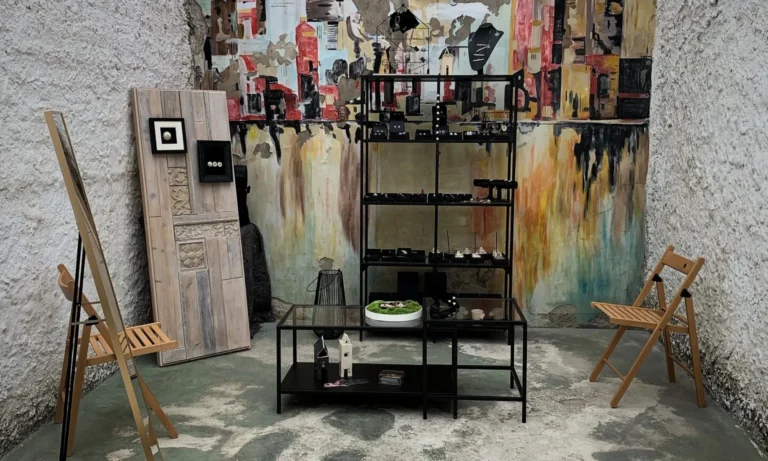
Ceramics to preserve precious memories. Made in Lithuania, in RAMUNĖS nameilė studio.
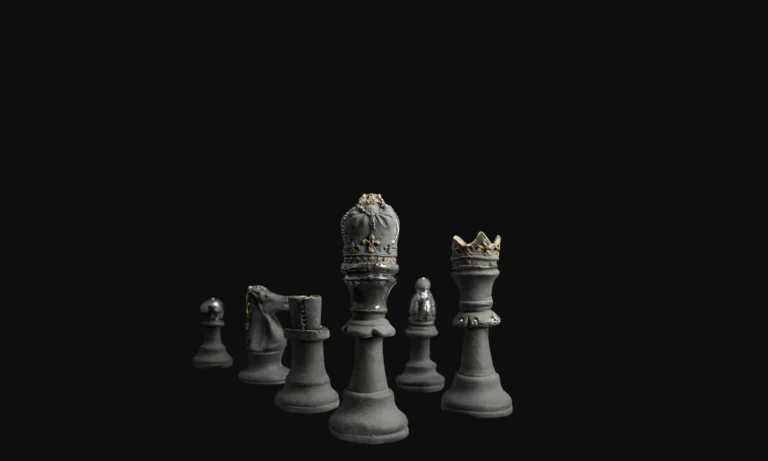
Handmade ceramics becomes a genuine artist's work when it begins to balance between function and conceptual thought. Not mass production, but independent works that are never reproduced, born slowly, in a process that demands close attention.
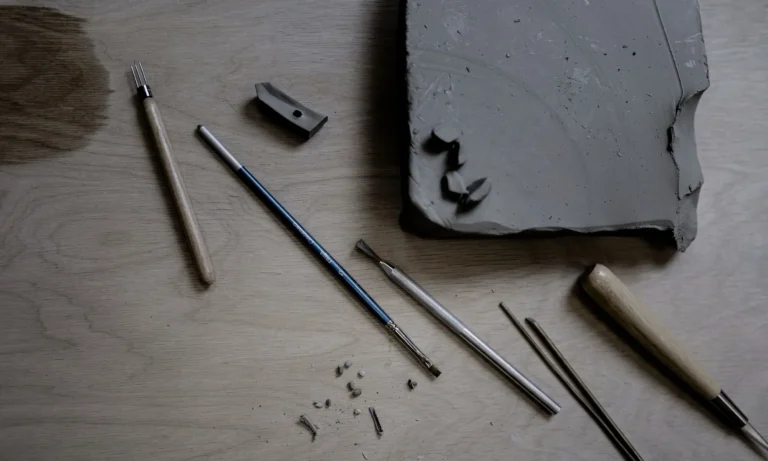
Clay is not just a material, but a creative partner. Plastic, tactile and sensitive to touch, clay responds to hand movements, retains fingerprints and stores thoughts, allowing the creator to improvise and discover a unique language of form.
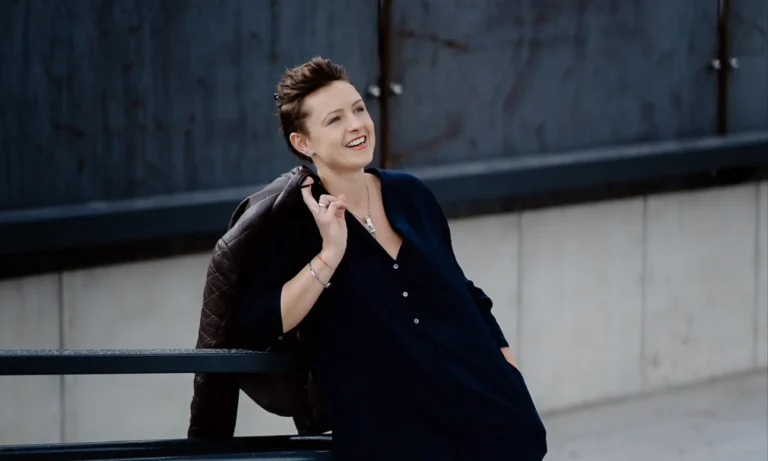
RAMUNĖS nameilė was born from a long path, of search, study, and a creative impulse that matured quietly over time. My relationship with art took shape where philosophy, anthropology, and human experience meet. It was there I understood: art is not an object, it is a way of being in the world...