Sculpture as a dialogue between matter and man
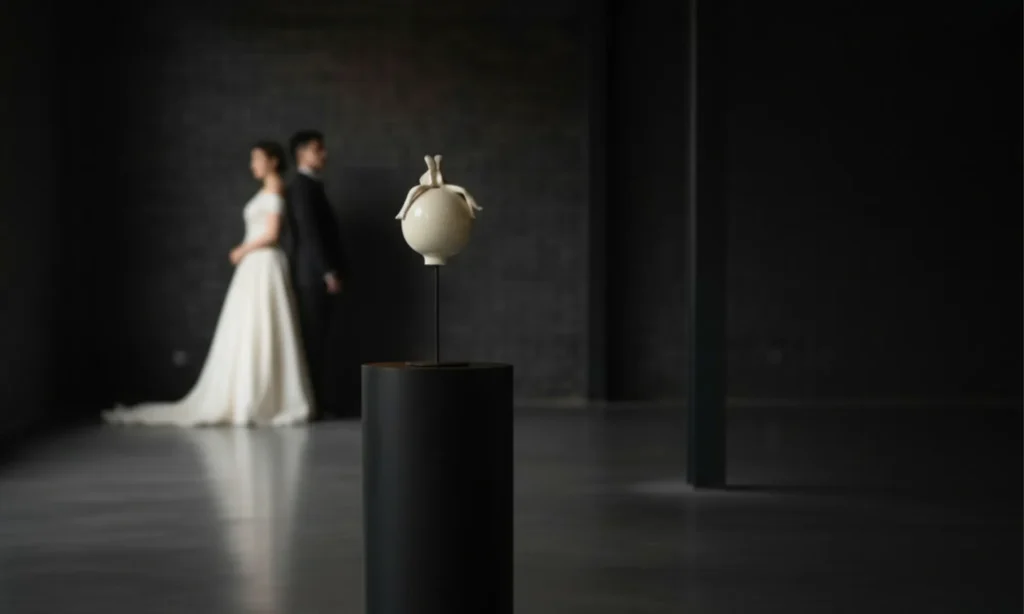
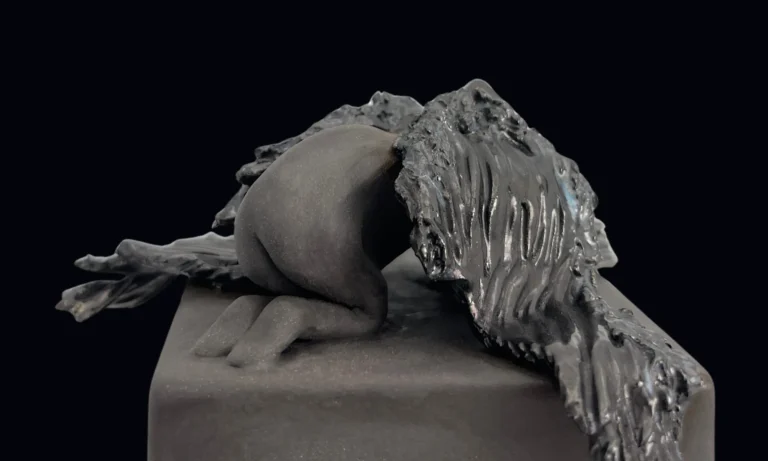
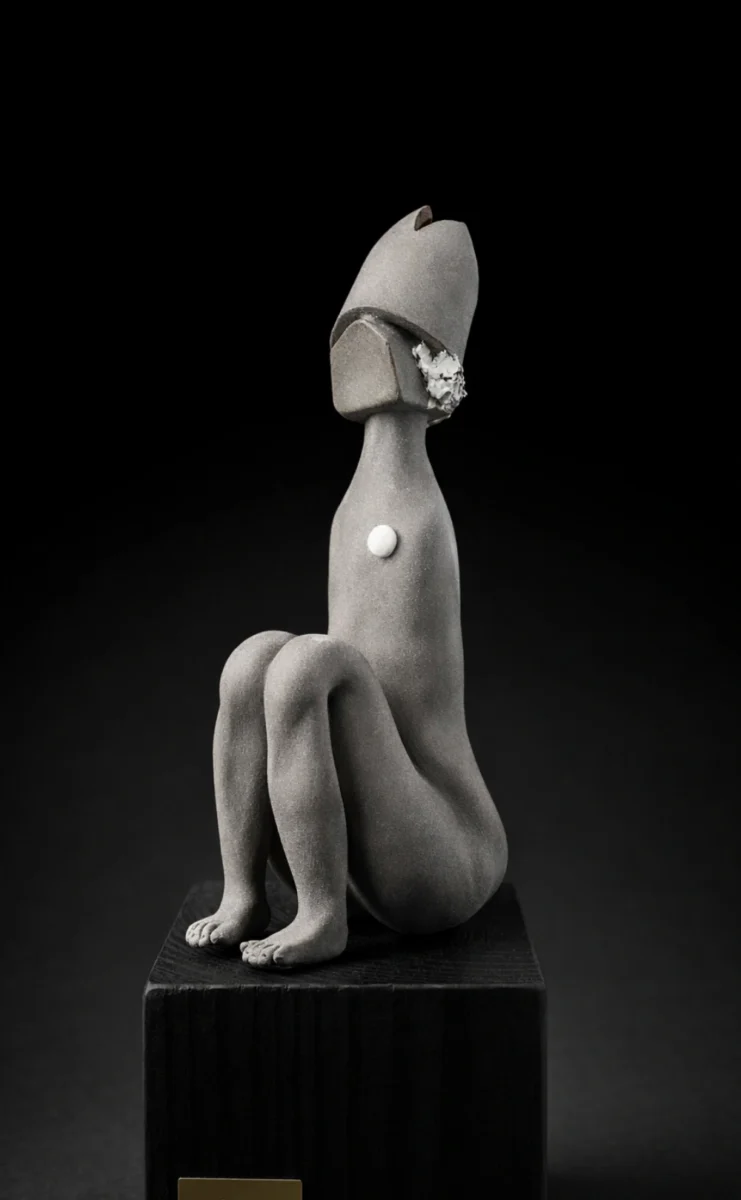
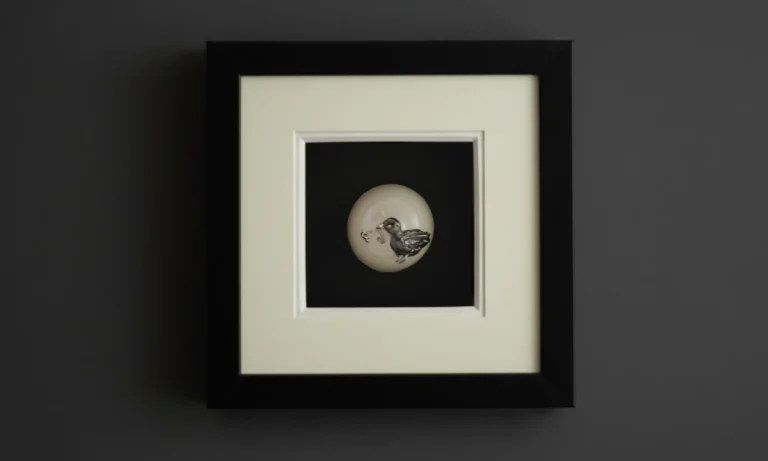
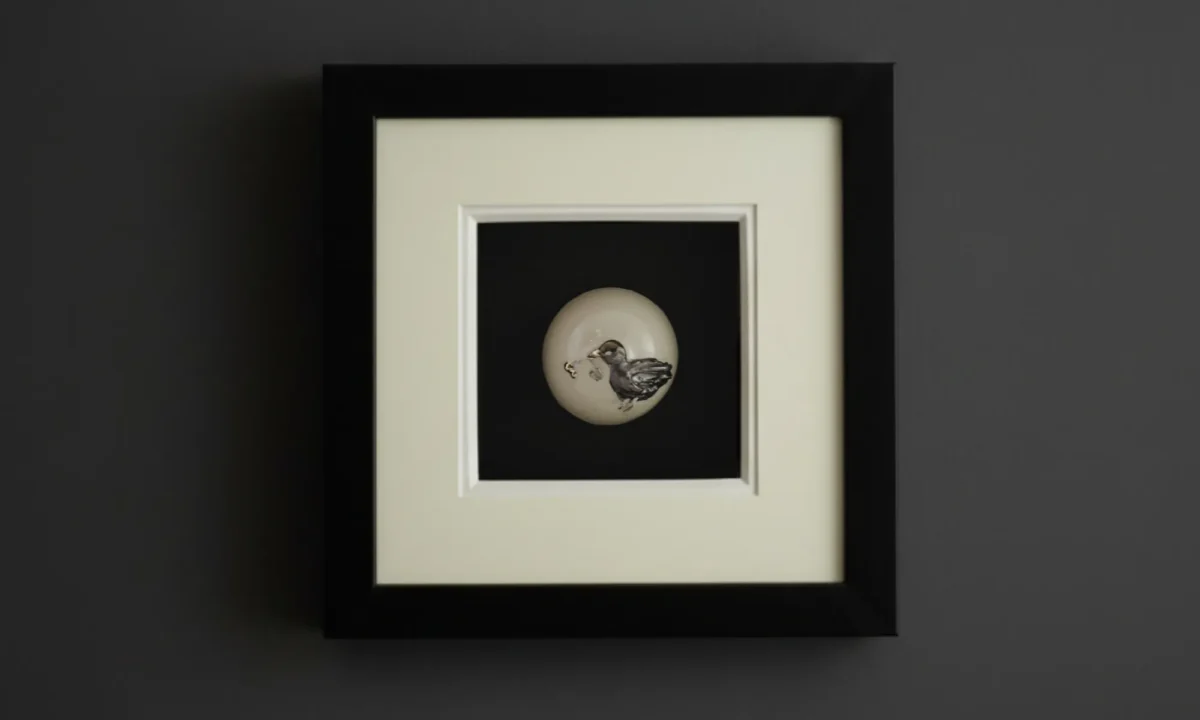
Sculpture is not simply a three-dimensional art form. It is a living synthesis of matter and idea, deeply rooted in the cultural and philosophical development of humanity. And it is not just material that is transformed into evocative objects that speak of time, being, and man's place in the world. Unlike two-dimensional works, sculpture shares physical space with the viewer, allowing it to be not only seen, but also physically experienced. As one moves around, the appearance of the work changes, revealing a dynamic impression and accumulating emotional charge.
It is not only an experience of sight, but also of presence, which creates a living dialogue between man and creation. As a result, an encounter with a sculpture often becomes embedded not so much in memory as in the experienced sensation that accompanies it long after the encounter.
From archaic figures to contemporary installations, sculpture is constantly expanding its boundaries, reflecting advances not only in aesthetics but also in science, philosophy, and technology. It is a powerful means of communication that speaks to our identity, memory, and ongoing dialogue with the world around us.
Sculptural Gods, Heroes, and Ideas: A Historical Retrospective
The history of sculpture is a mirror of the development of human civilization. The earliest images of stone and bone, imbued with magic, testified to the primordial connection of man with divinity. In ancient civilizations, monumental statues of gods and rulers were born, giving them the power of immortality. In ancient Greece, sculptors sought perfection - the proportions of the human body and spiritual balance. In the Middle Ages, sculpture became a servant of faith, conveying religious truths and strengthening the spiritual world of the community.
During the Renaissance, sculpture revived ancient ideals, combining them with a new humanist approach. The most striking example is Michelangelo's David (1501–1504), which rose in Florence as a symbol of beauty, but also of political courage. The sculpture was erected near the city hall, facing the papal territories, thus embodying the spirit of freedom and resistance of the republic. Such works testify that sculpture always has a social face - it speaks of the identity of the community and the ideals of the era.
In the Baroque era, drama, dynamic movement and theatricality prevailed in sculpture. The most striking example is Gian Lorenzo Bernini's "Ecstasy of St. Teresa" (1647–1652, Rome), which testifies to the mystical emotional tension of Baroque sculpture. Later, neoclassicism returned the restraint and clarity of antique forms, and the works of Antonio Canova became the standard of this style. At the beginning of the 19th century, Romanticism brought powerful emotions and the expression of inner experiences, which is illustrated in sculpture by François Rude's "Citizens of Marseille" (1833–1836).
In the 20th century, modernism brought radical changes to sculpture: artists began to be interested not in external similarity, but in the form itself, the texture of the material and the expression of ideas. Constantin Brâncuși's abstract sculptures sought to convey the essence, not the details of reality, while Henry Moore's organic forms explored the relationship between the human body and nature. Later, kinetic objects appeared, such as Alexander Calder's mobiles, and experimental installations that expanded the boundaries of sculpture. In the 21st century, this tradition continues - sculpture moves into digital and virtual space, where the idea often surpasses the importance of the physical object, and the viewer is invited to become part of the work.
From protest to poetry: sculpture as social dialogue
Contemporary sculpture transcends traditional boundaries, becoming an integral part of public space and social life. It acts as a visual communicator, shaping community identity, preserving historical memory, and provoking debate.
Creating space and community
Public sculptures not only adorn cities, but also give them a distinctive face, becoming landmarks and symbols. They democratize the experience of art, engaging all residents in an aesthetic dialogue, creating a shared sense of identity.
Collective memory
Memorials and monuments materialize historical events, allowing society to physically experience the act of remembrance. More abstract forms and metaphors convey complex feelings – loss, suffering, hope – and affect the long-term collective consciousness, shaping a shared historical narrative.
Social commentary and dialogue
Contemporary sculptors respond to current issues by using sculpture as a platform for dialogue. Such works provoke discussions about consumerism, gender equality, and civic stance, becoming a form of social commentary or even protest.
The works are impressive not only for their form, but also for their ability to materialize collective emotions. For example, „Fearless Girl“ in New York not only symbolizes the courage of a girl against the powerful world of finance, but also became a catalyst for real social change, stimulating discussions about gender equality on corporate boards. Meanwhile, the concrete steles of the Berlin Holocaust Memorial have an effect not only visually – wandering among them, the viewer experiences disorientation, anxiety and a fragile relationship with historical memory with his body. Such works show that sculpture speaks not only to the eye, but also to our entire sensory and emotional field.
Variety of technologies and materials
From traditional stone to 3D printed forms, contemporary artists use an unlimited range of materials. Digital modeling and advanced technologies allow for the creation of previously impossible forms, expanding the definition of sculpture to a three-dimensional form in space that the artist creates to realize his or her idea.
Sculptures as symbols: from Vilnius to New York
Examples of contemporary sculpture in Lithuania, Europe, and the world testify that art transcends geographical boundaries and becomes a universal language of symbols.
Lithuania:
• „"Freedom Road"“ (2010, Vilnius, near Europe Square). Sculptor Tadas Gutauskas. The monument, made of more than 20 thousand ceramic tiles with the names of the participants of the Baltic Way, symbolizes the unity and independence of the nation.
• „Tree of Unity“ (2018, Vilnius, near the National Art Gallery). Sculptor Tadas Gutauskas, architect Ričardas Palekas. The stone column-spindle with the names of 100 of the most prominent figures in Lithuanian history embodies the unity of the nation and the tree of life.
Europe:
• „Angel of the North“ (1998, Gateshead, England, UK). Sculptor Antony Gormley. The 20 m high and 54 m wide steel figure symbolises the industrial history, hope and renewal of Northern England.
• Holocaust Memorial (2005, Berlin, Germany). Architect Peter Eisenman. 2,711 concrete steles form a space in which the visitor experiences disorientation and existential anxiety. The memorial is dedicated to the memory of the victims of the Holocaust.
World:
• Cloud Gate (2004, Chicago, USA). Sculptor Anish Kapoor. The mirrored steel work, also known as The Bean, reflects the city skyline and has become a symbol of Chicago.
• „Fearless Girl“ (2017, New York, USA). Sculptor Kristen Visbal. The bronze girl, placed in front of the Charging Bull, later moved to the New York Stock Exchange, became a symbol of gender equality.
From the past to the future: a sense of the meaning of sculpture
Sculpture is a unique artistic language that tells the stories of humanity through space and matter, preserves memory, and shapes the aesthetics of our everyday lives. Since ancient times, statues have embodied gods and heroes, and today they help to give meaning to freedom struggles, social ideals, and cultural identity. Sculptures in public spaces act as carriers of collective memory and a mirror of community – they cultivate pride, encourage dialogue about who we are and what values we strive for. Despite technological advances, three-dimensional works of art still occupy an important place in our world: we build sculptures to mark significant events, discuss their form, and visit them in the hope of experiencing something real.
Therefore, sculpture is not only a witness to the past. It is also a mirror of the future – each new work invites us to rethink what kind of world we want to live in, what symbols to pass on to future generations. This eternal dialogue between form and man allows sculpture to remain one of the most powerful artistic languages, connecting history, the present and visions of the future.
- Arnason, HH, & Mansfield, EC (2013). History of modern art: Painting, sculpture, architecture, photography (7th ed.). Pearson Education.
- Giedion-Welcker, C. (1937/2005). Modern plastic art: Elements of reality, volume and disintegration. - GK Hall. (First edition 1937)
- Krauss, R. (1981). Passages in modern sculpture. MIT Press.
– Ludavičienė, J. (2022). Contemporary Lithuanian Art 2000–2020: Sculpture, Installation, Media Art. Vilnius Academy of Arts Publishing House.
- Potts, A. (2001). The sculptural imagination: Figurative, modernist, minimalist. Yale University Press.
- Read, H. (1964/2019). A concise history of modern sculpture. Thames & Hudson. (First edition 1964)