CARE OF CERAMIC ITEMS
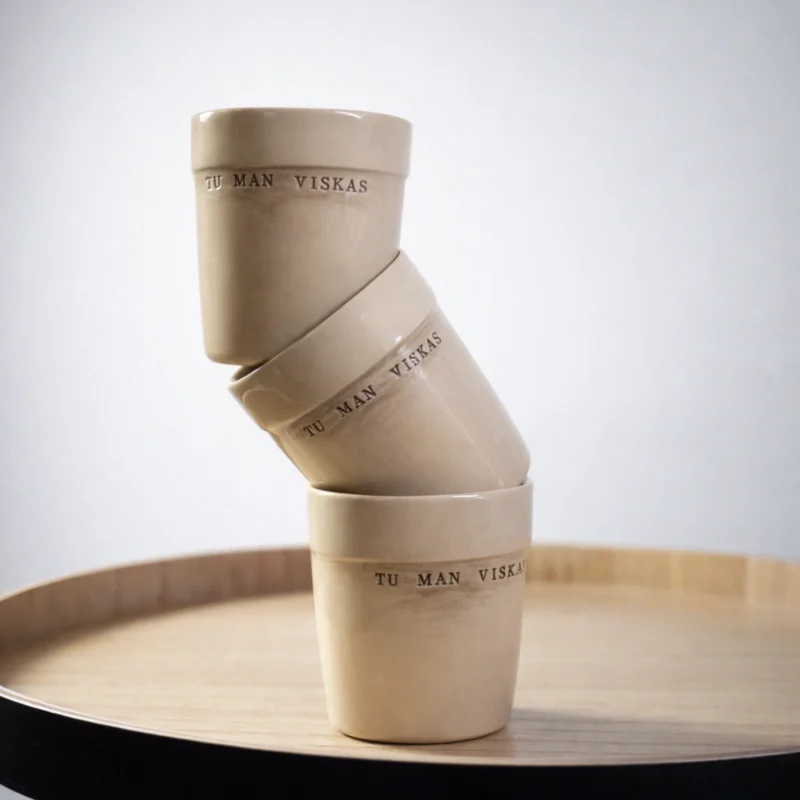
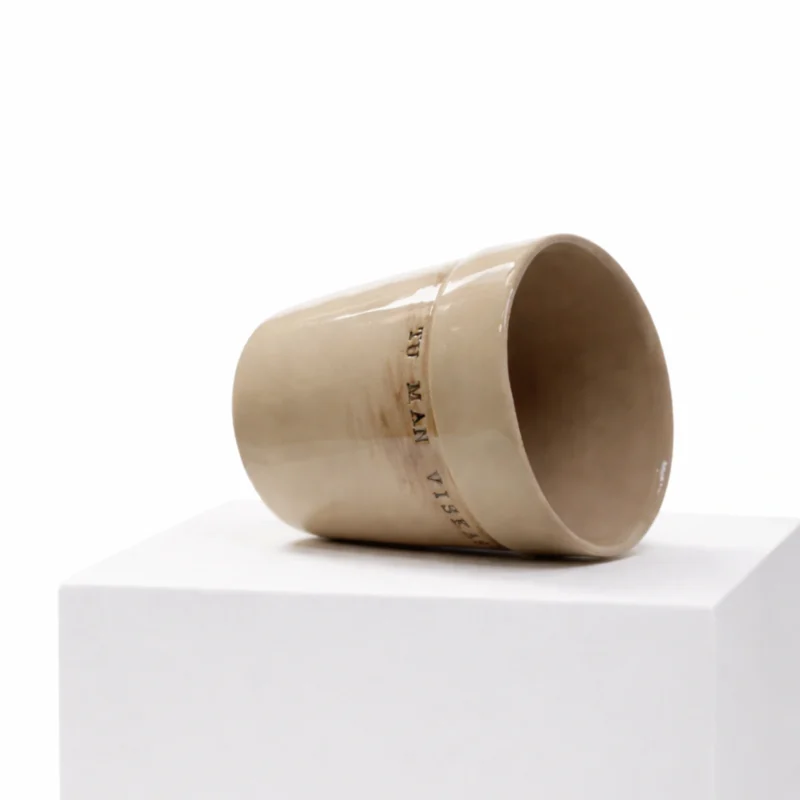
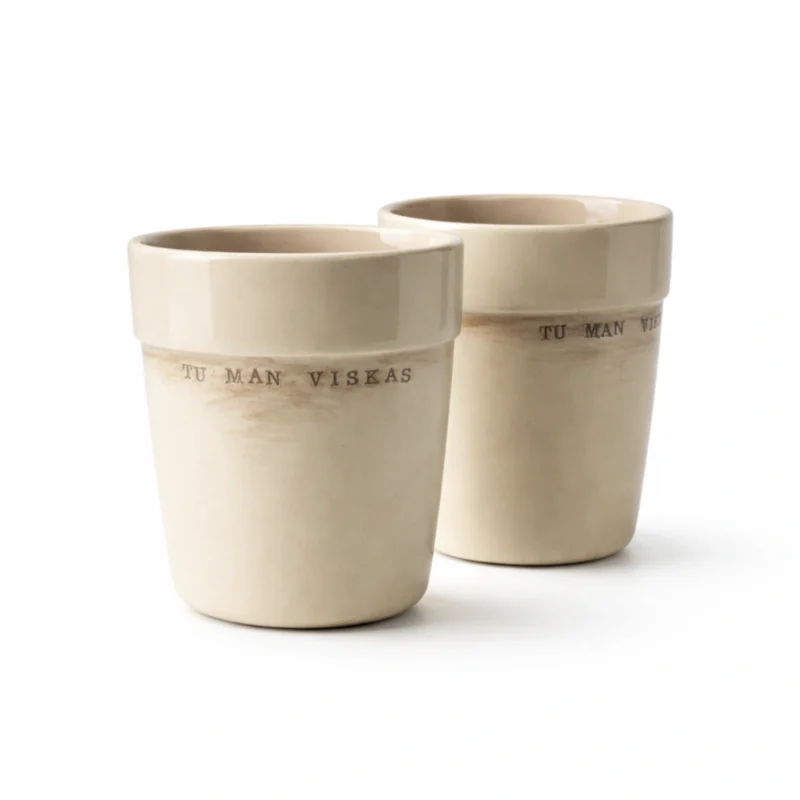
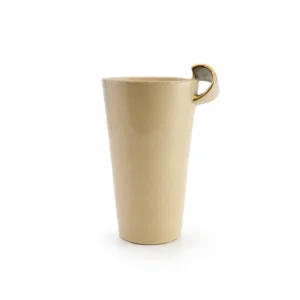
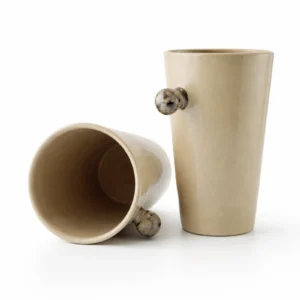
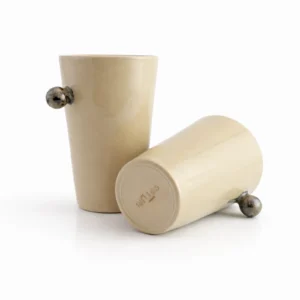
Stoneware mugs are highly fired and have low porosity, making them durable for everyday use; the biggest risks are impacts (chips, broken handles) and sudden temperature changes (glaze cracks).
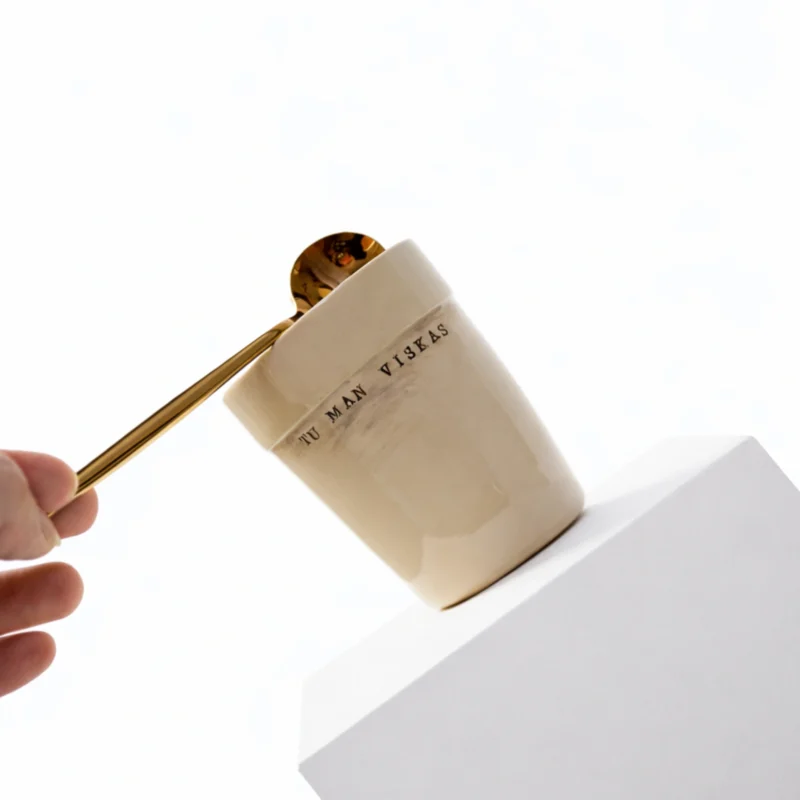
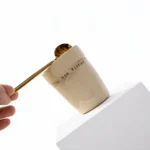
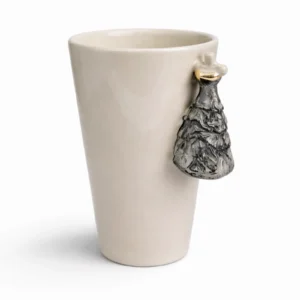
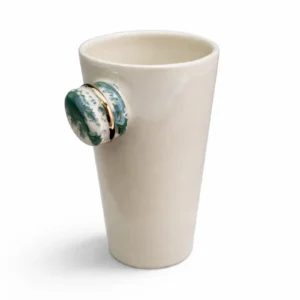
Precious metal lusters (gold, platinum, palladium, etc.) have a thin overglaze coating, fired at a lower temperature, and are therefore more vulnerable to abrasives, dishwasher chemicals, and friction; it is recommended to care for such decors as "good porcelain": gently, by hand, without scrubbing, and do not use in microwave ovens.
MATERIAL PROPERTIES
- Stoneware is a high-fired ceramic that is fired to a "vitreous" state, making it virtually impermeable to liquids and stronger than low-fired ceramics; the firing temperature is one of the main factors in durability.
- Glaze creates a „glassy“ surface that both decorates and seals the piece, minimizing water absorption. However, additional decorations (enamels, luster, gilding) are often applied as a thin layer on top of the glaze and fired at a lower temperature – making them much more susceptible to wear, scratching, and abrasion.
USE AND CLEANING
Usage modes that are worth distinguishing: A) a cup without a precious metal luster; B) a cup with a luster (gold/platinum/palladium), especially if the decor is on the edge or in areas where hands often touch.
- After use: rinse with warm water to remove dirt.
- Hand wash: wash with warm water and mild detergent, use a soft sponge. Avoid scrubbing on decorated areas.
- Drying: Dry with a soft towel or leave to dry completely.
DISHWASHER
- If the cup has a luster or other precious metal on it: the dishwasher is not recommended (faster loss of shine, micro-abrasive, chemical effects).
- If the cup is without a luster and the manufacturer allows it: it is possible, but choose a gentle program, do not place the cups so that they touch each other, and avoid abrasive detergents.
- If in doubt (handmade, unclear type of glaze or decoration): it is safest to wash by hand, as dishwasher manufacturers' instructions recommend washing only clearly marked dishes.
PERIODIC ACTIONS
Once a month, inspect the edge and handle against the light for cracks, chips, or microcracks in the glaze, as they accumulate dirt and moisture.
If there is a luster: assess whether the decor has started to "see" - this is usually related to rubbing and the abrasiveness of cleaning; adjust the care to an even gentler one.
COMPARISON OF MATERIALS
| Material | Decor | Is it dishwasher safe? | Recommended cleaning | Risks |
| Stone mass (glazed) | No luster/decor under glaze | Yes, if the manufacturer allows (gentle program) | By hand or in the gentle dishwasher mode | Chips from impacts; surface "sight" from abrasives |
| Stone mass (glazed) | Precious metal luster | No | Only with your hands, gently | Luster wear; scratches; sparking in the microwave |
The dishwasher is only recommended for clearly marked dishes, it is not intended for valuable/decorative ceramics, and gold/platinum as a decoration requires gentle care and is not scratch-resistant. Gilding/polishing is a thin overglaze layer, easily damaged by abrasion and will wear out over time if not properly cared for.
LITERATURE
Encyclopaedia Britannica. (n.d.). Stoneware. https://www.britannica.com/art/stoneware
Rosenthal GmbH. (nd). Cleaning and care. https://www.rosenthal.de/en-de/cleaning-and-care.html
Samsung Electronics. (nd). Dishwasher DW50R4060BB user manual. https://www.derekis.lt/images/Userfiles/brochure_Dishwasher_DW50R4060BB_LT_v31.pdf
National Park Service. (2008). Museum handbook: Ceramics. https://www.nps.gov/subjects/museums/upload/08-01_508.pdf
Canadian Conservation Institute. (n.d.). Care of ceramics and glass. https://www.canada.ca/en/conservation-institute/services/conservation-preservation-publications/canadian-conservation-institute-notes/care-ceramics-glass.html






Reviews
There are no reviews yet